


You’ve finally cracked the million-dollar revenue mark. The business is bigger than it’s ever been. You have more customers, more work, more staff and more responsibility.
From the outside, it looks like success. Friends and family hear that your business generates more than $1 million a year and assume you’re doing incredibly well. After all, reaching seven figures in revenue is a milestone many business owners dream of. So why does it still feel like there’s never enough money left over? Why are you working longer hours than ever, carrying more risk than ever, yet questioning whether you’re actually getting ahead?
It’s a conversation I have with business owners more often than you might think. Many spend years chasing revenue growth, believing that once they reach $1 million, or whatever their next milestone may be, everything will become easier. Yet when they finally get there, they’re often surprised to find that the financial rewards haven’t kept pace with the growth of the business.
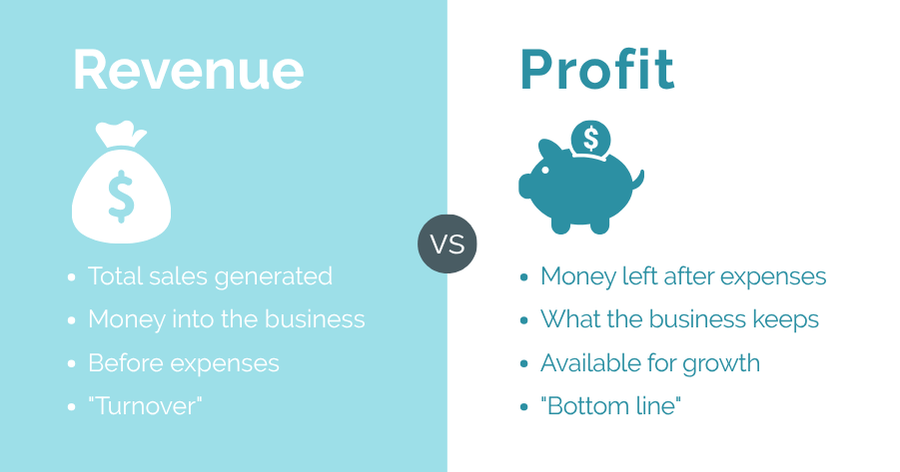
The reason is simple. Revenue and profitability are not the same thing. Revenue is often the most visible number in a business, but it’s not the number that determines how much wealth the business creates for its owner. That’s where many business owners unknowingly fall into the $1 million revenue myth.
Why Is My Business Not Profitable When Revenue Keeps Growing?
One of the biggest mistakes I see business owners make is assuming that growth automatically improves their financial position.
In reality, every stage of growth tends to bring new costs and new challenges. Over the past few years alone, wages have increased, superannuation costs have risen and insurance premiums continue to climb. Vehicles, fuel, rent, software subscriptions and interest costs all cost more than they once did.
As businesses become larger, they also become more complex. More customers often require more staff. More staff require more management. Additional revenue can lead to larger premises, more administration, greater compliance obligations and increased financial risk.
The result is that many business owners reach a point where the business appears successful on paper, yet they’re still feeling the same financial pressure they experienced when the business was much smaller.
This is often where frustration starts to creep in. If the business is generating more work, employing more people and carrying greater responsibility, shouldn’t the owner be seeing greater financial rewards as well?
To answer that question, it’s worth looking beyond the revenue figure itself.


How Can a $1 Million Business Still Leave the Owner Underpaid?
Let’s look at a simple example.
Consider a business generating $1 million in annual revenue. At first glance, most people would assume that’s a highly successful business. But revenue only tells part of the story.
After accounting for materials, subcontractors and other direct costs, that business may generate a gross profit of around $350,000. From there, the business still has administration wages, rent, vehicles, insurance, software subscriptions, marketing costs, accounting fees and finance repayments to cover.
That number can shrink surprisingly quickly. By the time all operating expenses are paid, the owner may be left with a profit of somewhere between $80,000 and $120,000 before tax.
For someone employing staff, managing customers, carrying financial risk and often working well beyond standard business hours, that can be a disappointing outcome. In some industries, experienced employees can earn similar income levels without carrying the same responsibilities or exposure.
That’s not to say business ownership isn’t worthwhile. The issue is that many owners assume a million-dollar business must automatically create significant personal wealth. In reality, impressive revenue numbers don’t always translate into impressive financial outcomes.
Revenue vs Profit: Which Number Actually Measures Success?
This is where I think many business owners ask the wrong question. Instead of asking, “How do I get to $1 million in revenue?” – A better question might be, “How much value is my business actually creating?”
The most successful business owners I work with aren’t obsessed with revenue alone. They’re focused on understanding the numbers that directly affect their financial position. That includes:
- Gross profit margins
- Net profit margins
- Cash flow
- Debt reduction
- Business value
- Personal wealth creation
- Lifestyle outcomes
They understand that a smaller business with strong margins and healthy cash flow can often create more wealth than a larger business operating on thin profits.
After all, the purpose of a business isn’t simply to generate turnover. The purpose is to improve your financial position and support the life you want to build. Revenue is important, but only because it helps achieve those outcomes.
The businesses that create the greatest long-term value aren’t necessarily the biggest. More often, they’re the businesses that consistently convert revenue into profit, profit into cash flow and cash flow into wealth.
How to Improve Business Profitability Without Chasing More Revenue
When a business owner feels stuck, the instinct is often to focus on growth. More customers = More sales = More revenue.
Sometimes that’s the right solution. But in many cases, the biggest opportunities come from understanding how the existing business is performing before chasing further growth. If revenue has grown substantially over the past few years but profit, cash flow and personal wealth haven’t improved at the same pace, it may be worth stepping back and asking a few important questions:
- How much profit is the business actually generating?
- How much cash is being retained?
- How much personal wealth is being created?
- Is the business becoming less dependent on me?
- Am I financially better off than I was three years ago?
The answers often reveal far more about the health of a business than revenue ever will. Because the goal isn’t to build a bigger business. The goal is to build a better business.
Revenue will always be an important measure, but it shouldn’t be the only one. If your business is growing but you’re not seeing greater profit, stronger cash flow or improved personal wealth, it may be time to look beyond turnover and focus on the numbers that truly matter.
The businesses that create lasting wealth aren’t always the ones generating the most revenue. They’re the ones that consistently turn effort, risk and investment into meaningful financial outcomes. Sometimes that starts by taking a closer look at the numbers behind the revenue.
If you want to know where your business is headed and the path to get there, our Business Advice & Consulting team have the skills, knowledge and tools to help you succeed.
Any advice on this site is general nature only and has not been tailored to your personal objectives, financial situation and needs. Please seek personal advice prior to acting on this information. Any advice on this website has been prepared without taking account of your objectives, financial situation or needs. Because of that, before acting on the advice, you should consider its appropriateness to you, having regard to your objectives, financial situation or needs.